
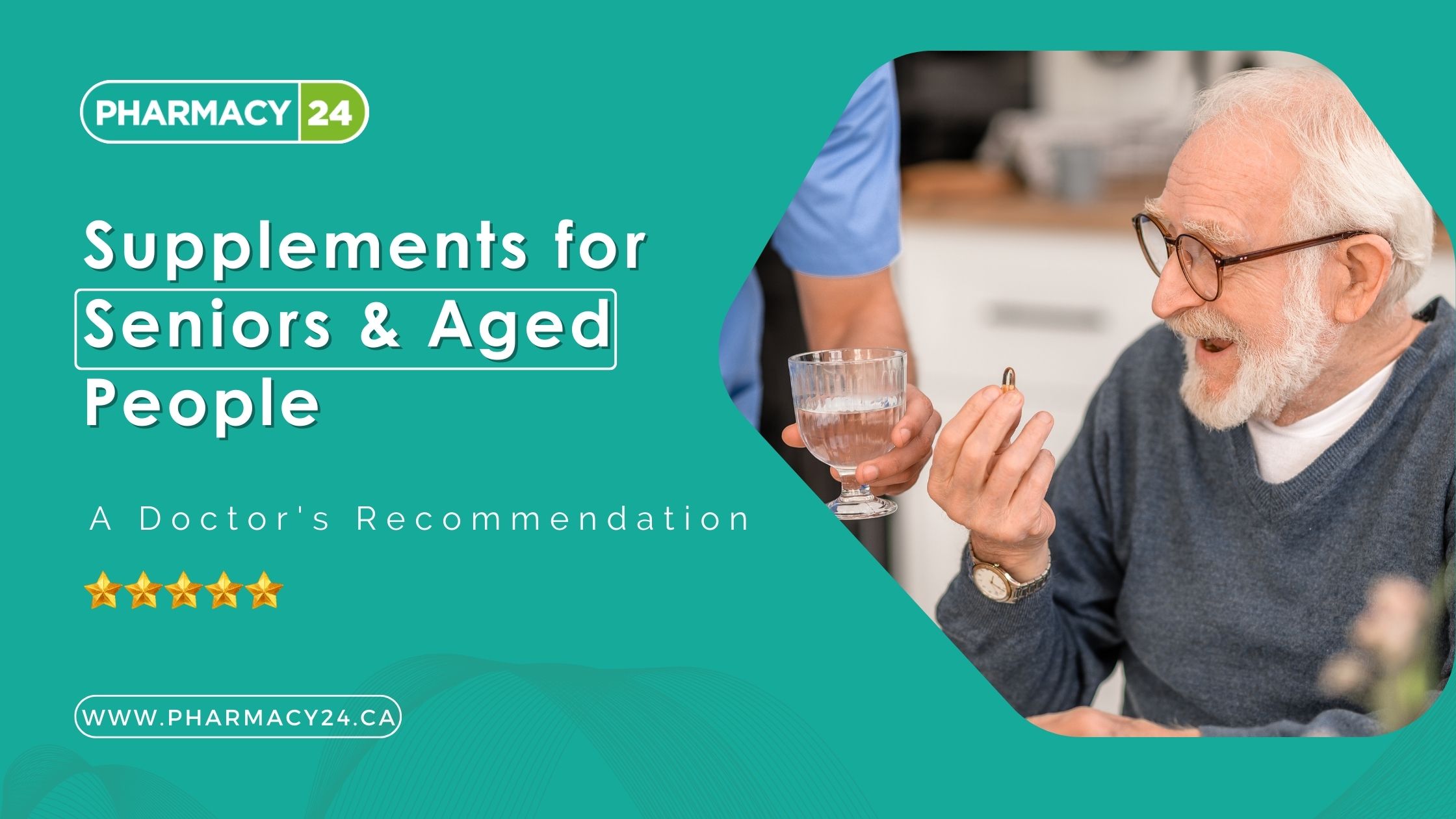
As we age, our nutrition needs can change because of appetite changes, medications, health conditions, reduced absorption of some nutrients, and lower intake of certain foods.
Supplements can help fill confirmed nutrient gaps, but they should not replace a balanced diet or be started without considering medications and medical history.
The best supplements for seniors commonly include vitamin B12, vitamin D, calcium, magnesium, omega-3 fatty acids, probiotics, and sometimes a senior multivitamin.
The right choice depends on diet, bloodwork, age, bone health, digestive health, medications, and advice from a pharmacist, physician, or registered dietitian.
Table of Contents
ToggleRecommended Nutritional Supplements of The Elderly
Pharmacy24 can help you compare supplement labels, check for possible medication interactions, and choose products that fit your health needs.
Older adults are more likely to have concerns around vitamin B12, calcium, vitamin D, and magnesium intake. Vitamin B12 absorption can be reduced in some older adults, and NIH notes that older adults are among the groups more likely to be vitamin B12 deficient. Health Canada also recommends adults over 50 consider daily vitamin D supplementation to help meet their needs.
Appropriate Diet and Its Impact on Seniors People’s Health
As we become older, our body undergoes such changes that make it difficult for us to digest food.
Because of this, it’s more crucial than ever for seniors to get the age-appropriate vitamins and nutrition they need, including vitamins and minerals.
Age-related health issues such as strengthening the immune system, supporting cognitive function, and proper nutrition can enhance the quality of life.
It is common for the elderly nutritional needs not to be met. [Source]
Appetite changes, medication side effects, and age-related health problems all increase the danger of nutritional deficiencies in the elderly.
Some of the most age-appropriate vitamin and nutrition-related deficits include:
Vitamin B12
Vitamin B12 helps the body make red blood cells and supports healthy nerve function.
The recommended intake for adults is 2.4 mcg per day, but some older adults may need more through fortified foods or supplements if absorption is reduced.
Older adults can have lower vitamin B12 absorption because of reduced stomach acid, atrophic gastritis, gastrointestinal conditions, or certain medications.
Symptoms of low B12 may include fatigue, numbness or tingling, memory changes, balance issues, pale skin, or anemia-like symptoms.
Food sources: fish, meat, poultry, eggs, dairy products, fortified breakfast cereals, and fortified nutritional yeast.
Supplement tip: Vitamin B12 is often found in multivitamins, B-complex supplements, and standalone B12 products.
A pharmacist can help decide whether a low-dose daily product, a higher-dose oral product, or medical testing is more appropriate.[Source]
Vitamin D
Vitamin D helps the body absorb calcium and supports bones, muscles, nerves, and immune function.
Older adults may be at higher risk of low vitamin D because the skin’s ability to make vitamin D declines with age and many seniors spend more time indoors.
In Canada, vitamin D intake is especially important because sunlight exposure can be limited during parts of the year.
Vitamin D is important for bone and muscle health, and some people with low vitamin D may benefit from supplementation.
Food sources: fortified milk, fortified plant-based beverages, fatty fish, egg yolks, and fortified margarine.
Important safety note: Avoid very high-dose vitamin D unless directed by a healthcare professional.
Excessive vitamin D can cause high calcium levels and may lead to kidney or heart-related complications in severe cases.
Calcium
Calcium is needed for bones, teeth, muscles, nerves, and blood vessel function. Women age 51–70 generally need 1,200 mg per day, men age 51–70 generally need 1,000 mg per day, and adults over 70 generally need 1,200 mg per day. [source]
Calcium is best obtained from food first. Supplements may help when diet does not provide enough, but taking more calcium than needed is not always better.
Food sources: milk, yogurt, cheese, fortified plant-based beverages, tofu made with calcium, canned salmon or sardines with bones, kale, broccoli, and bok choy.
Supplement tip: Calcium supplements can interact with some medications, including thyroid medication, certain antibiotics, and osteoporosis medications.
Calcium can also contribute to constipation or kidney stone risk in some people, especially when total intake is high.
Magnesium
Magnesium supports muscle and nerve function, blood pressure regulation, blood sugar control, and bone health.
Adults over 51 generally need 420 mg per day for men and 320 mg per day for women.
Food sources: pumpkin seeds, chia seeds, almonds, spinach, cashews, peanuts, whole grains, legumes, and fortified foods.
Supplement tip: Magnesium supplements come in different forms. Some forms are more likely to cause loose stools. People with kidney disease should not take magnesium supplements unless advised by a healthcare professional.
Other Essential Vitamins and Minerals for Seniors
The following vitamins and minerals are the best supplements for seniors to address these common deficiencies and promote overall health:
Omega-3 fatty acids
It includes ALA, EPA, and DHA. ALA is found in plant foods, while EPA and DHA are mainly found in fatty fish and some algae-based supplements.[source]
For adults 51+, adequate intake for ALA is 1.6 g per day for men and 1.1 g per day for women.
Food sources: salmon, sardines, mackerel, herring, trout, flaxseed, chia seeds, walnuts, canola oil, and soybean oil.
Supplement tip: Fish oil or algae oil may be useful for people who rarely eat fish, but older adults taking blood thinners, antiplatelet medication, or preparing for surgery should ask a healthcare professional first.
Probiotics
Probiotics are live microorganisms that may support gut health, depending on the strain, dose, and health condition.
Probiotic benefits are strain-specific, so a product with a higher CFU count is not automatically better.
NIH notes that many probiotic supplements contain 1–10 billion CFU per dose, but higher CFU counts do not necessarily mean better results.
When seniors may ask about probiotics: after antibiotic use, occasional digestive upset, constipation concerns, or specific gut-health goals.
Supplement tip: Choose probiotics by strain, intended use, storage instructions, and CFU through the expiry date, not simply by the largest number on the label.
How to Choose the Best Supplements for Elders
Consider each senior’s unique situation while making supplement choices.
Before buying a supplement, ask these questions:
- Is there a confirmed deficiency or clear dietary gap?
- Can food solve the gap first?
- Does the supplement interact with any medication?
- Is the dose appropriate for age and health status?
- Is the brand reputable and third-party tested?
- Is the product necessary, or does it duplicate another supplement?
- Has a pharmacist, doctor, or dietitian reviewed it?
A supplement plan should be personalized. Two seniors of the same age may need different products depending on diet, medications, bone density, lab results, digestion, kidney function, and health conditions.
Talk to a healthcare professional, pharmacist, or registered dietitian about any health concerns, medications, or dietary restrictions that may affect your supplement options.
Conclusion
Older adults need a balanced diet for their general health and happiness.
In this article, we find the following:
- Understanding common nutritional deficiencies
- Knowing essential vitamins and minerals required
- Learning how to choose the best supplements for seniors
- Ensures they get the nutrients they need
Before starting any new supplement regimen, it is important to speak with a medical practitioner and to only buy from trusted brands.
Incorporating these suggestions into daily living can have a positive effect on elders’ health and overall quality of life.
What is the best supplement for seniors?
There is no single best supplement for every senior. Common options to discuss with a healthcare professional include vitamin B12, vitamin D, calcium, magnesium, omega-3 fatty acids, probiotics, and a senior multivitamin.
Should every senior take vitamin D?
Many adults over 50 may need extra vitamin D, especially in Canada, where sunlight exposure can be limited. Health Canada recommends vitamin D supplementation for Canadians over age 50 to help meet daily needs.
Is vitamin B12 important for seniors?
Yes. Vitamin B12 supports red blood cells and nerve function. Older adults are at higher risk of B12 inadequacy because absorption can decline with age or be affected by health conditions and medications.
Is calcium better from food or supplements?
Calcium is best from food first. Supplements may help when food intake is not enough, but excess calcium can cause problems for some people.
Are probiotics worth taking for seniors?
They may help in specific situations, but benefits depend on the probiotic strain, dose, and reason for use. Higher CFU counts are not automatically better.
Can seniors take multiple supplements together?
Sometimes, but it should be reviewed carefully. Taking multiple products can accidentally double the dose of vitamin D, calcium, magnesium, zinc, vitamin A, or other nutrients.
About the Health Experts Behind This Article
Our health content is written in a patient-friendly format and reviewed to help ensure it is clear, practical, and aligned with pharmacy guidance available at the time of publication.
Pharmacy24 Editorial Team
The editorial team prepares general health and pharmacy-related content to help readers better understand topics such as medications, supplements, vaccinations, travel health, and everyday pharmacy care.
Our content is developed with a patient-friendly approach and is intended for educational purposes only.

He is a registered pharmacist in British Columbia. He provides professional input on selected health content to help ensure the information is clear, practical, and consistent with commonly available pharmacy and public health guidance at the time of publication.
This content is for general education and should not replace personalized advice from a pharmacist, physician, or other healthcare professional.