

Canadian summer can feel beautiful and harsh at the same time. One day your skin feels oily from heat and sweat. The next day it feels tight because of air conditioning, sun exposure, or over-cleansing. Add sunscreen, humidity, outdoor activities, and acne-prone skin into the mix, and a simple skincare routine can quickly become confusing.
Table of Contents
ToggleThat is why building the right routine around summer skincare essentials Canada matters. The goal is not to use more products. The goal is to use the right products at the right time, especially sunscreen, gentle cleansing, hydration, acne care, and sensitive-skin support.
For many people, summer skincare starts with SPF. But it should not end there. Your skin also needs a cleanser that removes sweat and sunscreen, a moisturizer that supports hydration without feeling heavy, and gentle product choices if your skin reacts easily. You can also browse beauty and personal care essentials to find products that fit your skin type and summer routine.
Quick Answer
Keep a non-drowsy antihistamine, saline nasal spray or rinse, allergy eye drops, and short-term nasal congestion relief at home during allergy season.
Choose products by symptom, not just brand name. Ask a pharmacist before combining allergy medicines, especially decongestants or multi-symptom products.
Best Summer Skincare Products for Daily Care
A complete summer skincare routine should focus on five products: sunscreen, cleanser, moisturizer, acne care, and sensitive-skin care.
1. Sunscreen: Choose Broad-Spectrum SPF 30 or Higher
Sunscreen is one of the most important summer skincare essentials. During summer, people spend more time outdoors, whether it is walking, travelling, working outside, enjoying patios, or going to the beach. This increases exposure to UV rays.
Choose a broad-spectrum sunscreen with SPF 30 or higher. Broad-spectrum sunscreen helps protect against both UVA and UVB rays. SPF 30 or higher is a strong everyday choice for summer use. For longer outdoor activities, sports, sweating, or swimming, SPF 50 may be a practical option.
Sunscreen should be applied before going outside and reapplied during sun exposure, especially after sweating, swimming, or towelling off. Areas like the ears, neck, hands, lips, and hairline are often missed, so they should be included in your routine.
2. Cleanser: Remove Sweat, Sunscreen, Oil, and Buildup
A cleanser is essential in summer because the skin collects more sweat, oil, sunscreen, dirt, and pollution throughout the day. If these layers are not removed properly, they can clog pores and make the skin feel heavy or irritated.
Choose a gentle cleanser that cleans the skin without making it feel tight, dry, or stripped. For oily or acne-prone skin, a foaming or oil-control cleanser may be useful. For dry or sensitive skin, a mild, fragrance-free cleanser may be a better choice.
Cleansing at night is especially important in summer because sunscreen and sweat can stay on the skin for hours. If you have been outdoors, exercising, or wearing water-resistant sunscreen, make sure your evening cleanse removes buildup properly.
3. Moisturizer: Support Skin Hydration in Summer
Many people skip moisturizer in summer because their skin feels oily or sweaty. But oily skin and hydrated skin are not the same thing. Skin can look shiny and still be dehydrated, especially because of sun exposure, air conditioning, frequent washing, and acne products.
A lightweight moisturizer helps support skin hydration in summer and keeps the skin barrier comfortable. For oily skin, choose a light, non-greasy, or oil-free moisturizer. For dry skin, a richer lotion or cream may be better, especially at night. For sensitive skin, fragrance-free and gentle moisturizers are usually safer choices.
Moisturizer also helps sunscreen sit better on the skin. When the skin barrier is dry or irritated, sunscreen may sting or feel uncomfortable. Keeping the skin hydrated can make the overall summer skincare routine easier to follow.
4. Acne Care: Manage Breakouts From Sweat and Sunscreen
Summer acne can happen when sweat, sunscreen, humidity, oil, and makeup build up on the skin. Hats, helmets, sports gear, and hair products can also contribute to clogged pores, especially around the forehead, cheeks, and jawline.
For summer acne care, choose non-comedogenic products when possible. Non-comedogenic means the product is less likely to clog pores. This is especially important for sunscreen, moisturizer, and makeup.
Avoid using too many acne treatments at once. Strong ingredients like salicylic acid or benzoyl peroxide can be helpful for some people, but overuse may cause dryness, peeling, burning, or irritation. A balanced routine is better: cleanse gently, use acne care as directed, moisturize, and protect the skin with sunscreen.
If acne becomes painful, severe, or does not improve with regular care, speak with a pharmacist or healthcare provider for guidance.
5. Sensitive-Skin Care: Keep the Routine Gentle
Sensitive skin can become more reactive in summer because of heat, sweat, fragrance, sunscreen, chlorine, salt water, and over-cleansing. Some people notice redness, itching, stinging, or burning after applying skincare products.
For sensitive skin summer care, keep the routine simple. Choose a gentle cleanser, fragrance-free moisturizer, and sunscreen that your skin tolerates well. Mineral sunscreens with zinc oxide or titanium dioxide may be suitable for some people with sensitive skin.
Patch testing is also helpful. Before applying a new sunscreen or skincare product to your face, test a small amount on your arm or behind the ear and watch for irritation. Avoid introducing too many new products at the same time because it becomes difficult to know which product is causing the reaction.
A simple and gentle routine can help protect the skin barrier and reduce the risk of irritation during summer.
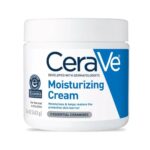
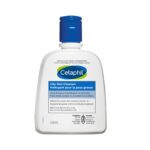
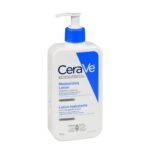
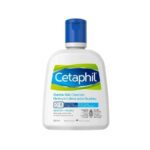
Summer Skincare Basic Routine
Keep your summer skincare routine simple and easy to follow.
Morning Routine
- Cleanse gently: Use a mild cleanser to remove sweat and oil. If your skin is dry or sensitive, rinsing with water may be enough.
- Apply moisturizer: Choose a lightweight, non-greasy moisturizer. Oily skin also needs hydration in summer.
- Use sunscreen: Apply broad-spectrum SPF 30 or higher before going outside.
- Reapply sunscreen: Reapply during sun exposure, especially after sweating, swimming, or towelling off.
- Do not forget: Cover your ears, neck, hands, lips, and hairline.
Evening Routine
- Cleanse properly: Wash away sunscreen, sweat, oil, and pollution.
- Use acne care if needed: For summer acne care, avoid using too many strong products at once.
- Moisturize again: Apply moisturizer to support overnight skin repair.
- Avoid over-exfoliating: Too much exfoliation can weaken the skin barrier and cause irritation.[source]
Pharmacy24 Summer Skincare Products
Pharmacy24’s Beauty & Personal Care section includes summer skincare products such as sunscreen, cleansers, moisturizers, acne care, and sensitive-skin support. You do not need every product at once. Start with the basics, then choose targeted care based on your skin type.
Sunscreen and SPF
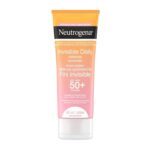
Sunscreen should be part of your daily summer routine, not just beach days. Look for a broad-spectrum SPF 45 sunscreen, a texture you will use consistently, and water-resistant options if you swim or sweat. A mineral sunscreen may suit sensitive or reactive skin.
Moisturizers
Moisturizer helps support skin hydration in summer, even if your skin feels oily. Choose a lightweight lotion or gel cream for oily skin, a richer cream for dry skin, and fragrance-free options for sensitive skin.
Cleansers and Acne Care
A cleanser helps remove sweat, sunscreen, oil, and pollution from the skin. For summer acne care, choose gentle or oil-control cleansers, non-comedogenic products, and acne treatments used only as directed.
Sensitive-Skin Care
Sensitive skin may react more in summer because of heat, sweat, sunscreen, fragrance, or over-cleansing. Choose gentle, fragrance-free products, mineral sunscreen, and barrier-supporting moisturizers. Introduce new products slowly.
FAQs
What are the most important summer skincare essentials in Canada?
The most important summer skincare essentials Canada include broad-spectrum SPF 30 or higher sunscreen, a gentle cleanser, a lightweight moisturizer, acne care if needed, and sensitive-skin products if your skin reacts easily. A simple routine is usually better than using too many products.
What SPF should I use in Canada during summer?
Most people should choose broad-spectrum SPF 30 or higher. SPF 50 can be useful for longer outdoor exposure, sports, sweating, beach days, hiking, or people who know they apply too little sunscreen.
How often should I reapply sunscreen in summer?
Reapply sunscreen at least every 2 hours during sun exposure. Reapply sooner after swimming, heavy sweating, or towelling off. Sunscreen should also be used with shade, hats, sunglasses, and protective clothing.
Can I skip moisturizer if my skin is oily in summer?
No. Oily skin can still need hydration. The key is to choose a lightweight, non-greasy, non-comedogenic moisturizer. Skipping moisturizer can leave the skin feeling tight, uncomfortable, or more reactive.
What sunscreen is better for acne-prone skin?
For acne-prone skin, look for lightweight, oil-free, and non-comedogenic sunscreen. These formulas are less likely to feel heavy or clog pores. Cleansing properly at night is also important because sunscreen, sweat, and oil can build up during the day.
What is the best summer skincare routine for sensitive skin?
The best routine for sensitive skin is simple: gentle cleanser, fragrance-free moisturizer, and broad-spectrum sunscreen. Mineral sunscreens with zinc oxide or titanium dioxide may be better tolerated by some people with reactive skin. Patch test new products before applying them to the full face.
Why does acne get worse in summer?
Acne may feel worse in summer because sweat, oil, humidity, sunscreen, makeup, and hair products can build up on the skin. Hats, helmets, and sports gear can also trap sweat and friction. Gentle cleansing and non-comedogenic products can help reduce this risk.
Should I use different skincare products in summer?
You may not need a completely different routine, but summer often calls for lighter textures, better sunscreen habits, gentle cleansing, and more attention to sweat and oil buildup. If your skin is dry, acne-prone, or sensitive, adjust slowly rather than changing everything at once.
Are mineral sunscreens good for sensitive skin?
Mineral sunscreens often contain zinc oxide or titanium dioxide. Some people with sensitive or reactive skin tolerate these better than chemical sunscreen filters. However, everyone’s skin is different, so patch testing is still a good idea.
What should I avoid in a summer skincare routine?
Avoid expired sunscreen, heavy pore-clogging products, over-washing, too many acne actives at once, and fragranced products if your skin is sensitive. Do not keep using a product that causes rash, swelling, burning, or strong irritation.
Conclusion
A good summer routine does not need to be complicated. It needs to be consistent. Start with sunscreen, gentle cleansing, and hydration. Then adjust for acne-prone or sensitive skin if needed.
The best summer skincare essentials Canada are the ones that fit your daily life. Choose sunscreen you will actually reapply. Use a cleanser that removes sweat and sunscreen without stripping your skin. Keep moisturizer in the routine, even when the weather feels hot. If breakouts, dryness, or irritation become difficult to manage, ask a pharmacist for guidance.
Pharmacy24’s Beauty & Personal Care section can help you find summer skincare essentials in Canada, including sunscreen, moisturizers, cleansers, acne care, and sensitive-skin support products.
About the Health Experts Behind This Article
Our health content is written in a patient-friendly format and reviewed to help ensure it is clear, practical, and aligned with pharmacy guidance available at the time of publication.

Pharmacy24 Editorial Team
The editorial team prepares general health and pharmacy-related content to help readers better understand topics such as medications, supplements, vaccinations, travel health, and everyday pharmacy care.
Our content is developed with a patient-friendly approach and is intended for educational purposes only.

He is a registered pharmacist in British Columbia. He provides professional input on selected health content to help ensure the information is clear, practical, and consistent with commonly available pharmacy and public health guidance at the time of publication.
This content is for general education and should not replace personalized advice from a pharmacist, physician, or other healthcare professional.