

Influenza activity is beginning to increase in British Columbia as the province moves into the 2026–27 respiratory illness season.
The B.C. Centre for Disease Control’s October 1, 2026 respiratory-virus surveillance update reports that influenza test positivity is continuing to increase and has reached moderate levels. Influenza wastewater signals have also increased at several monitoring sites. At the same time, COVID-19 activity is described as low-to-moderate, while RSV activity remains low. See the latest BCCDC respiratory-virus data.
This does not mean B.C. is already at peak flu season. It means influenza is becoming more active just as fall vaccination and respiratory-season planning begin.
Influenza activity is rising in B.C.
Fall is the key planning period.
Symptoms, prevention and safe OTC choices.
What You Need to Know First
- Influenza activity in B.C. has been increasing and was at moderate levels in the latest provincial surveillance update.
- Annual influenza vaccination continues to be recommended for people 6 months of age and older who do not have a contraindication.
- Flu vaccination in B.C. generally begins in October, making early fall an important planning period.
- Flu symptoms can overlap with the common cold, COVID-19 and RSV, so symptoms alone do not always identify the cause.
- OTC products may help relieve individual symptoms, but they do not replace vaccination, medical assessment when needed, or prescription antiviral treatment for people who may require it.
What Is Happening With Flu Activity in B.C. Right Now?

The BCCDC uses several indicators to understand respiratory-virus activity, including laboratory test positivity, wastewater surveillance and healthcare visits. In the latest reporting period, influenza activity continued to rise, while RSV remained low and COVID-19 activity was low-to-moderate.
A rising test-positivity rate does not mean that a specific percentage of all British Columbians currently have influenza. These surveillance measures are population-level indicators that help public-health teams understand how respiratory-virus activity is changing over time.
The practical takeaway: influenza is circulating, and activity is increasing. Early fall is a good time to pay attention to vaccination invitations, respiratory-health habits and symptoms that may appear in households, schools and workplaces.
Pharmacy24 health note: Surveillance data describes population-level trends. It cannot determine whether an individual person’s cough, fever or congestion is influenza.
Is Flu Season Starting Early in B.C.?
It is too soon to describe the current increase as the peak of the 2026–27 flu season. Influenza in Canada generally circulates more heavily during the colder months, particularly in late fall and winter. HealthLink BC notes that seasonal influenza is most common during this period.
The important distinction is between flu activity increasing and peak flu season arriving. Those are not the same thing.
The current trend is best treated as an early signal to prepare rather than a reason for alarm. That may include checking vaccine information, reviewing the needs of family members at higher risk, keeping basic health supplies available at home, staying home when sick and knowing when symptoms may need professional assessment.
When Should Canadians Get the 2026–27 Flu Vaccine?
Canada’s National Advisory Committee on Immunization recommends that seasonal influenza vaccination be offered every year to people 6 months of age and older who do not have contraindications. Read NACI’s 2026–27 influenza vaccine guidance.
For the 2026–27 season, NACI also reviewed vaccine timing. The committee notes that vaccination in early fall provides protection for most of the influenza season, and achieving good vaccination coverage remains more important than trying to identify one perfect vaccination date.
In British Columbia, influenza vaccines are generally available beginning in October. People registered with B.C.’s Get Vaccinated system receive information about booking when they become eligible. HealthLink BC provides current influenza vaccine information.

Need information about vaccination services?
Explore Pharmacy24 pharmacy and vaccination services for available options and support.
Who Should Pay Particular Attention to Flu Vaccination?
Although annual vaccination is recommended broadly, influenza can have more serious consequences for some people. Groups that may face a higher risk of complications include older adults, young children, pregnant individuals, people with certain chronic medical conditions, people with weakened immune systems and people living in nursing homes or other chronic-care facilities.
For adults aged 65 and older, NACI’s 2026–27 guidance gives preference to enhanced influenza vaccine options when they are available. The exact vaccine appropriate for an individual depends on factors such as age, medical history, vaccine availability and contraindications.
A pharmacist or other healthcare professional can help answer individual vaccination questions.
Flu or Common Cold? Why the Symptoms Can Be Confusing

Influenza and the common cold can share symptoms such as cough, sore throat, runny or stuffy nose and fatigue. However, influenza often begins more suddenly and is more likely to cause stronger whole-body symptoms such as fever, headache, pronounced fatigue and body aches.
| Feature | Influenza | Common cold |
|---|---|---|
| Onset | Often sudden | Often more gradual |
| Fever | Common | Less common in adults |
| Body aches | Often noticeable | Usually milder |
| Fatigue | Common and can be significant | Usually milder |
| Runny or stuffy nose | Can occur | Very common |
| Cough | Common | Common, often milder |
Symptoms can also overlap with COVID-19 and RSV, so symptoms alone cannot always identify which respiratory virus is responsible. For a closer look at another common source of respiratory-symptom confusion, see Pharmacy24’s Common Cold vs RSV guide.
Related Pharmacy24 guide: If nasal symptoms are the main concern, read Cold vs Allergy in Canada for another practical symptom comparison.
What Should You Do If Flu-Like Symptoms Begin?
For many otherwise healthy adults with mild influenza-like illness, care focuses on rest, hydration and symptom management while the infection runs its course.
Helpful steps may include:
- getting adequate rest;
- drinking enough fluids;
- staying home while sick;
- avoiding close contact with people who may be vulnerable to severe illness;
- covering coughs and sneezes;
- cleaning hands regularly; and
- asking a pharmacist about appropriate OTC options for individual symptoms.
OTC medicines may be used for symptoms such as fever, headache, body aches, nasal congestion, sore throat or cough. However, OTC cold and flu products relieve symptoms; they do not eliminate influenza infection.
Choose products by symptom—not by the word “flu” on the box
For congestion with pain or fever, some adults may consider an ibuprofen-plus-decongestant option such as Advil Cold & Sinus Caplets. For cough-focused symptoms, products such as Buckley’s Complete Cough Syrup may be relevant. Always check active ingredients, age restrictions, medical conditions and other medicines before use.
OTC Options by Symptom
Product choice should follow the symptom being treated and the active ingredients already being used. These Pharmacy24 examples illustrate different symptom-relief categories; they are not a diagnosis or a recommendation for every person.
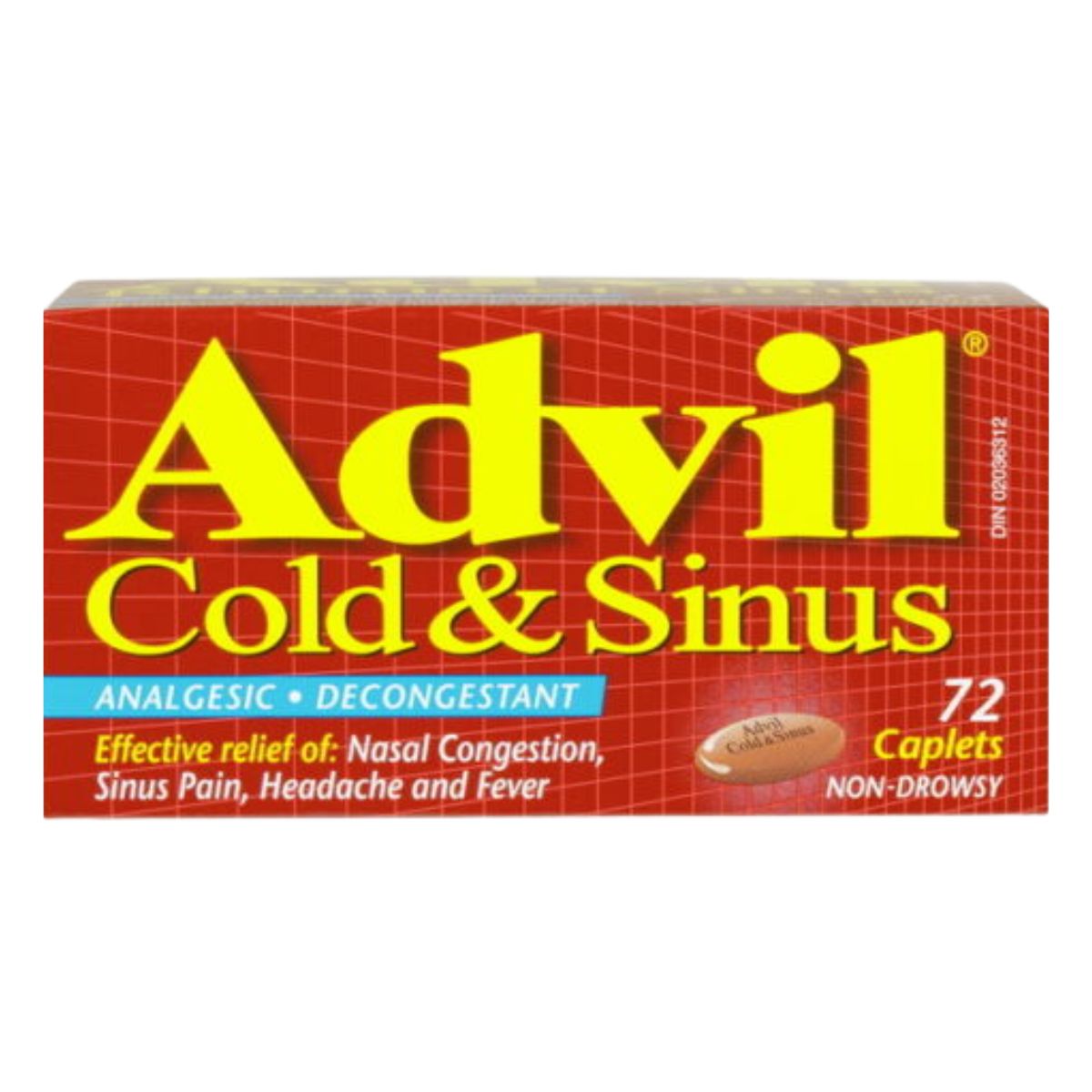
Congestion + pain or fever
Advil Cold & Sinus Caplets contain ibuprofen and a decongestant for temporary relief of certain cold/flu symptoms.
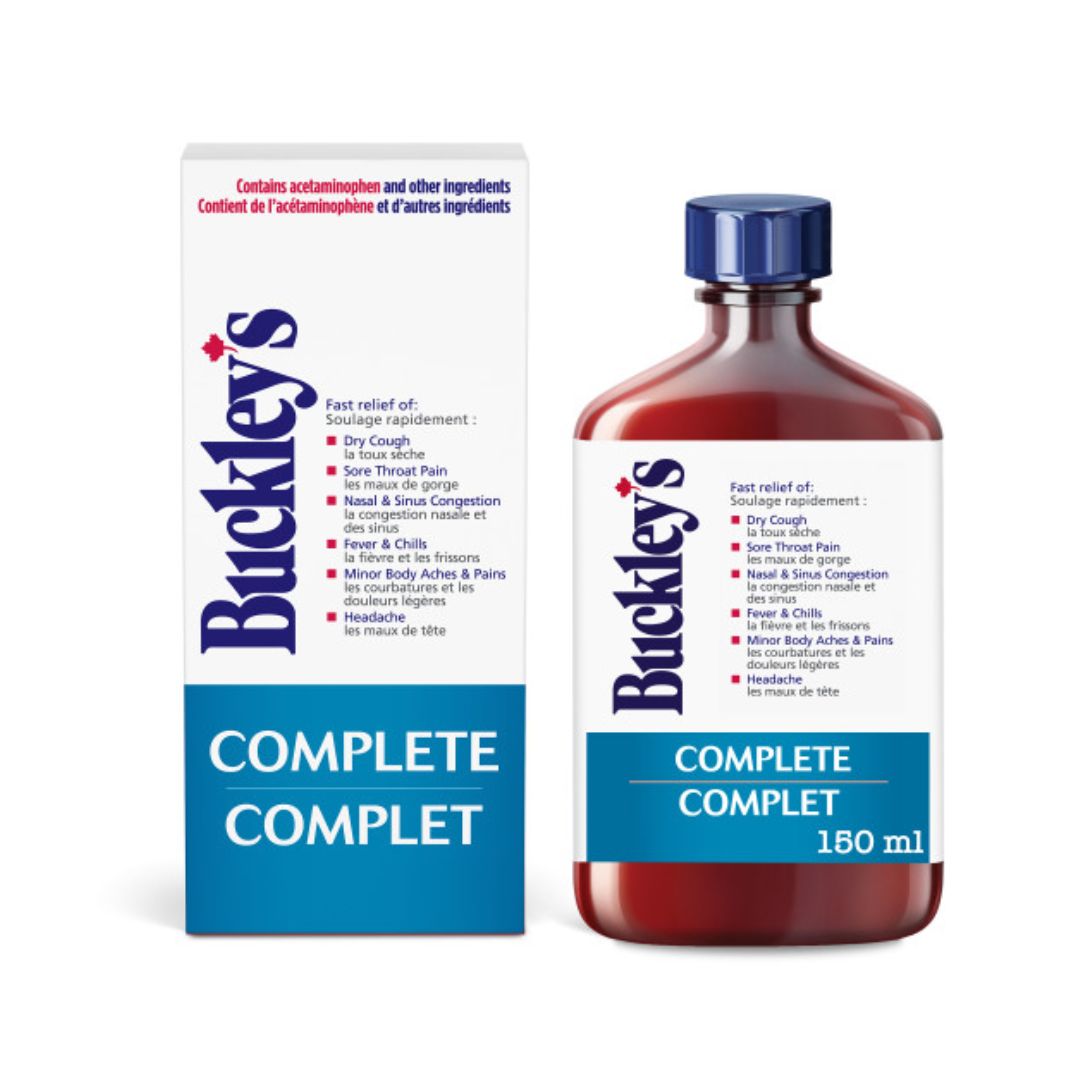
Cough + multiple cold/flu symptoms
Buckley’s Complete Cough Syrup is positioned for several common cold and flu symptoms, including cough and throat discomfort.
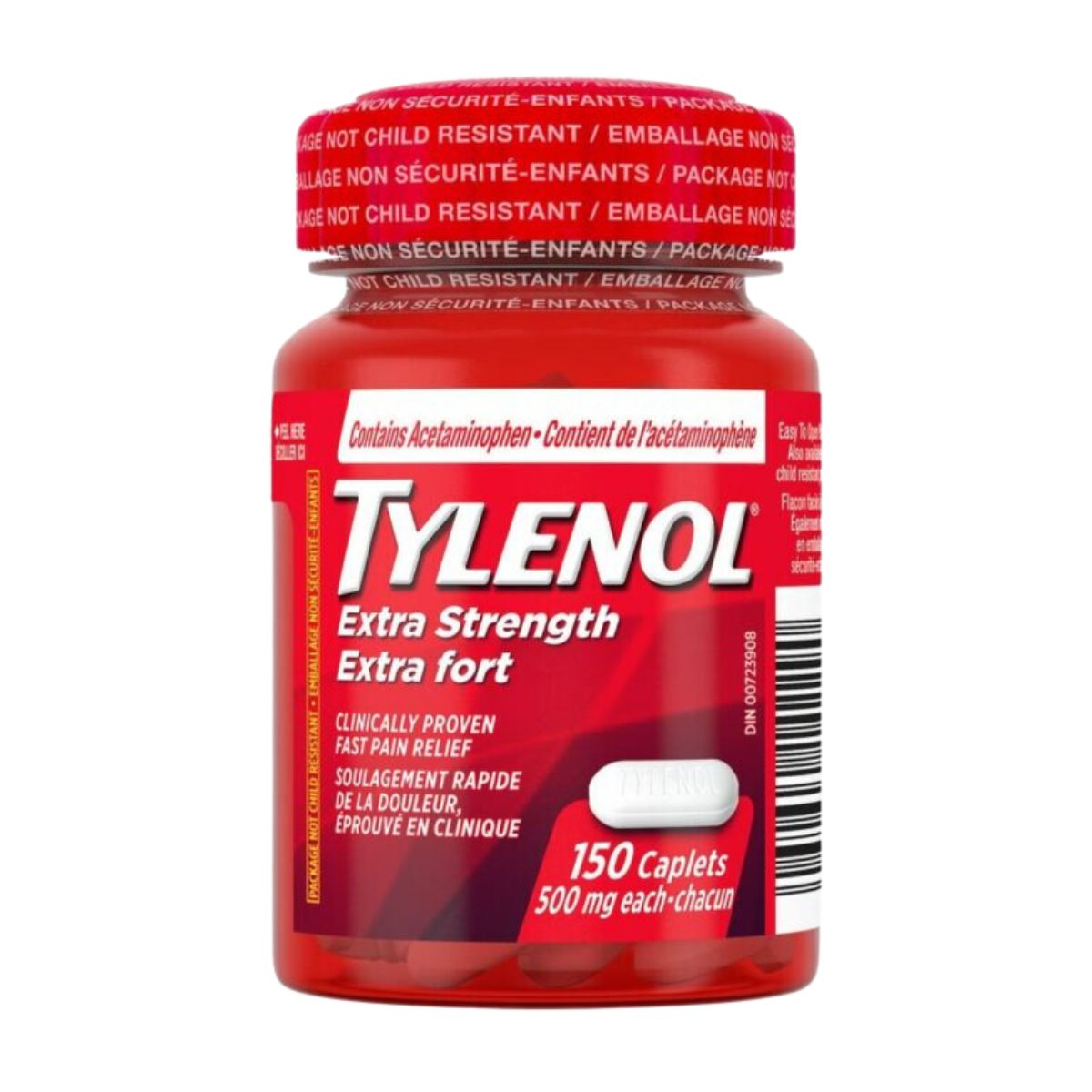
Pain or fever only
Tylenol Extra Strength contains acetaminophen. Check other products carefully to avoid taking duplicate acetaminophen.
Browse the full Cold & Flu Medicine category or ask a pharmacist if you are unsure which active ingredients are appropriate.
Be Careful With Multi-Symptom Cold and Flu Products
Cold and flu products frequently contain more than one active ingredient. A single product may combine ingredients intended for pain or fever, cough, congestion and runny nose.
Using several products at the same time can sometimes lead to duplicate active ingredients. Before combining products:
- Read the medicinal-ingredient panel.
- Check what each ingredient is intended to treat.
- Avoid taking multiple products containing the same active ingredient unless a healthcare professional has advised you to do so.
- Ask a pharmacist if you are unsure.
This is particularly important when combining a multi-symptom cold product with a separate pain or fever medicine. For example, if a product already contains a pain-relief ingredient, adding another pain reliever may duplicate therapy. Pharmacy24’s Tylenol Extra Strength Caplets page can help readers identify acetaminophen as the active ingredient before combining products.
When Are Prescription Antivirals Considered?
Prescription antiviral medicine may be appropriate for some people with influenza. HealthLink BC notes that antiviral medicines can reduce the severity and duration of influenza symptoms and may be particularly important for people at higher risk of complications.
People in higher-risk groups who develop flu-like symptoms should contact a healthcare professional promptly to determine whether antiviral treatment may be appropriate. Antivirals are different from OTC cold and flu medicines and require individual clinical assessment.
When Should You Seek Medical Help?

Most people recover from influenza without serious complications, but some cases can become more severe. Influenza can contribute to complications such as pneumonia and can worsen existing health problems.
Seek medical advice when symptoms are severe, worsening or concerning—particularly for someone who belongs to a higher-risk group.
Urgent medical assessment may be appropriate for symptoms such as:
- significant difficulty breathing;
- severe chest pain;
- confusion or unusual difficulty staying awake;
- signs of severe dehydration;
- severe weakness;
- symptoms that improve and then become substantially worse; or
- another symptom that feels like a medical emergency.
In B.C., people can call 8-1-1 for non-emergency health information and assistance from HealthLink BC. For a medical emergency, call 9-1-1.
How Can Households Prepare for Respiratory Illness Season?
Preparation does not require turning the medicine cabinet into a mini pharmacy. A simple seasonal check can be more useful.
Review vaccination information
Check current provincial vaccine information and booking options for household members who are eligible.
Check medicine expiry dates
Review OTC medicines kept at home and safely dispose of products that are expired or no longer required.
Know the active ingredients
Before illness occurs, understand which products contain acetaminophen, ibuprofen, decongestants, antihistamines or cough ingredients.
Keep basic supplies available
Depending on household needs, useful items may include a thermometer, tissues, oral fluids, saline nasal products, appropriate pain or fever medicine and regular prescription medications. If nasal congestion is the main problem, Pharmacy24 also has a practical guide on ways to manage a runny nose.
Know who may be higher risk
If an older adult, young child, pregnant person, immunocompromised individual or person with a chronic condition becomes ill, it may be useful to seek professional advice sooner.
Frequently Asked Questions
Is influenza already circulating in B.C.?
Yes. The latest BCCDC surveillance indicates that influenza is circulating and activity has been increasing. The current level should be interpreted as a population-level trend rather than a diagnosis for any individual person.
Has B.C. reached peak flu season?
No. The latest provincial data shows increasing activity, but that is not the same as peak seasonal activity.
When are flu vaccines available in B.C.?
Influenza vaccines are generally available beginning in October. Current eligibility and booking information is available through B.C.’s provincial vaccination system and HealthLink BC.
Who should get a flu vaccine in 2026–27?
NACI recommends offering annual influenza vaccination to everyone aged 6 months and older who does not have a contraindication. Some people have a higher risk of complications and may particularly benefit from timely vaccination.
Can the flu vaccine give you influenza?
The inactivated influenza vaccine cannot cause influenza because it does not contain live influenza virus capable of causing infection.
Do antibiotics treat influenza?
No. Influenza is caused by a virus, so antibiotics do not treat the influenza virus itself. Antibiotics may be prescribed if a healthcare professional identifies a separate bacterial infection or complication.
Can OTC flu medicine cure influenza?
No. OTC products are generally used to manage individual symptoms such as fever, pain, congestion or cough. They do not cure influenza.
What to Do Next
B.C.’s latest surveillance shows that influenza activity is moving upward as the province enters another respiratory illness season. That is useful information, but it is not a reason for alarm.
The practical steps are straightforward: watch for fall vaccination information, stay home when sick, use good hand and respiratory hygiene, recognize that flu symptoms can overlap with other illnesses, choose OTC symptom relief carefully, and seek professional advice when symptoms are severe or when someone is at higher risk of complications.
Continue Reading
Useful when congestion, sneezing or a runny nose make the cause unclear.
Compare overlapping respiratory symptoms and learn where RSV differs.
Practical information for managing persistent nasal symptoms.
Have questions about respiratory-season health or OTC products?
Explore Pharmacy24 services or speak with a pharmacist for help choosing an appropriate next step.
Medical disclaimer: This article is for general educational purposes and does not replace personalized medical advice, diagnosis or treatment. Speak with a pharmacist, physician or other qualified healthcare professional about individual symptoms, vaccination decisions, medications or medical conditions.